Integrated Verification Processes Behind Combined Bets on Soccer Halves, Racing Outcomes, and Live Dealer Games
Written by Zoe Reed · Sep 3, 2026
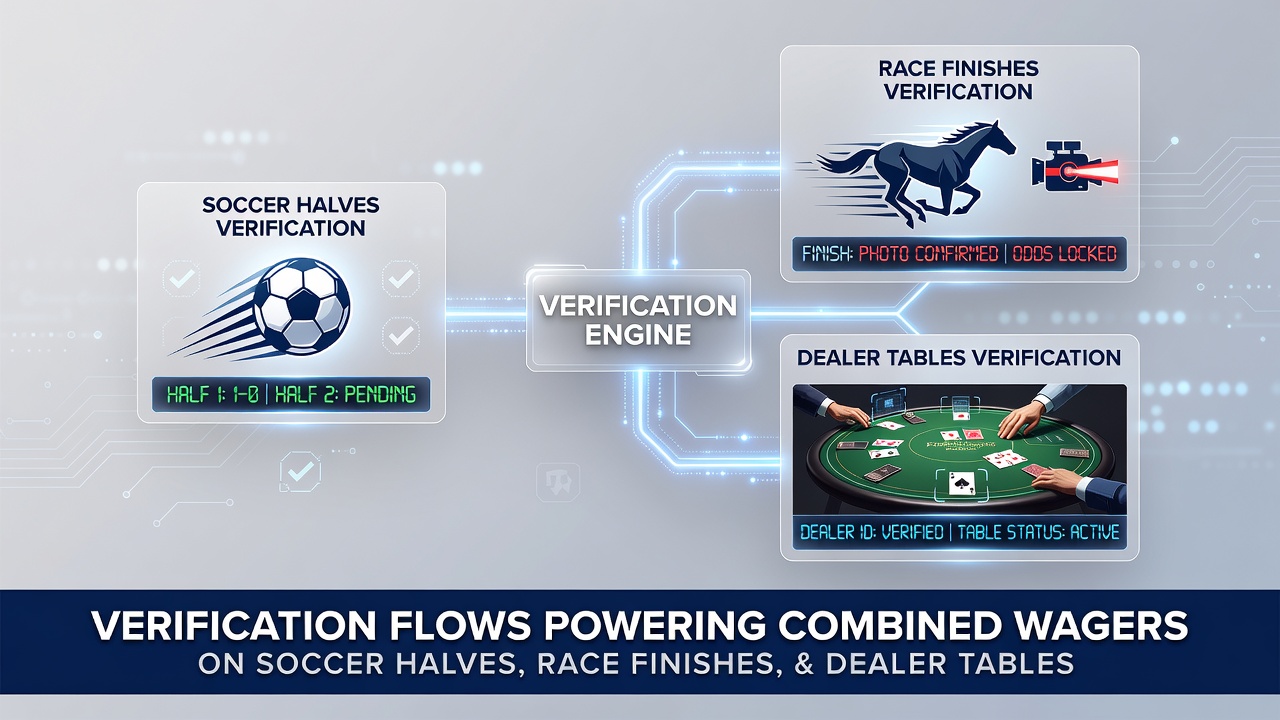
Integrated Verification Processes Behind Combined Bets on Soccer Halves, Racing Outcomes, and Live Dealer Games
Verification systems in online betting handle identity confirmation, transaction approval, and compliance checks that support combined wagers spanning soccer halftime markets, race finish results, and live dealer table outcomes. These flows operate through layered protocols that process user data, account status, and betting limits in real time before allowing multi-event stakes.
Core Components of Verification Flows
Operators rely on automated identity verification tools that cross-reference government-issued documents with biometric data and address records. Once initial checks clear, systems apply ongoing monitoring that flags unusual activity patterns during live events. Data from regulatory reports indicate that such checks reduce unauthorized account use by significant margins across platforms.
Payment verification runs parallel to identity steps. Methods include instant bank transfers, e-wallet approvals, and card authorizations that confirm available funds before wager acceptance. Combined bets require simultaneous validation across categories, so the flow routes requests through a central engine that evaluates total exposure against account limits and regulatory thresholds.
Application to Soccer Halftime Markets
Halftime soccer wagers demand rapid verification because odds shift quickly after the first period ends. Systems confirm user eligibility, apply responsible gambling flags, and authorize the stake within seconds of submission. Observers note that platforms integrate live data feeds from match providers directly into verification sequences to prevent bets after key events occur.
Combined strategies often pair halftime soccer positions with other events. The verification layer checks that cumulative stakes remain within daily or session caps before confirming the full package. Research from the University of Nevada, Las Vegas gaming studies shows that integrated checks help maintain compliance during high-volume periods around major tournaments.
Handling Race Finish Combinations
Racing markets involve precise timing on finish positions, so verification flows incorporate event-specific rules that lock bets once the race starts. Automated systems validate runner eligibility, jockey changes, and track conditions against user selections. When combined with soccer or table wagers, the engine recalculates total liability and confirms all components before acceptance.

September 2026 data from industry monitoring services reveal continued growth in multi-leg racing combinations processed through verified accounts. These flows rely on secure APIs that pull official results within moments of race completion to trigger payouts or adjustments on combined tickets.
Live Dealer Table Integration
Dealer table wagers introduce additional variables such as game pace and session limits. Verification here includes real-time balance checks and session timers that align with jurisdictional rules. Platforms route combined requests through a unified queue that sequences soccer, racing, and table validations without creating delays that could affect live play.
Industry organizations such as the European Gaming and Betting Association have documented how standardized verification protocols support cross-product betting while meeting data protection requirements. Systems often embed responsible gambling tools that prompt users at set intervals regardless of wager type.
Technical Architecture and Compliance
Modern verification architecture uses modular microservices that handle distinct tasks including document scanning, sanctions screening, and fraud detection. When a combined wager spans categories, each service contributes its output to a decision engine that issues a single approval or rejection. This approach allows operators to update individual components without disrupting the entire flow.
Links to external databases supply current regulatory lists and credit checks where permitted. Geographic restrictions receive enforcement through IP analysis and address confirmation that runs at both login and bet placement stages. Figures from the Nevada Gaming Control Board illustrate how similar layered systems operate in regulated U.S. markets.
Operational Examples and Case Studies
One platform processed a user package containing a soccer halftime goal total, a horse racing place bet, and a blackjack hand limit during a single session. Verification completed all checks in under four seconds, confirming funds and eligibility across products before confirming the combined stake. Such cases demonstrate how sequential service calls maintain speed while satisfying multiple compliance layers.
Another instance involved an account flagged for velocity checks after repeated combined submissions. The system paused processing, required additional confirmation steps, and resumed once the user verified activity through secondary channels. Reports from academic reviews of online gambling infrastructure highlight that these pauses protect both operators and users without halting legitimate play.
Conclusion
Verification flows that support combined wagers across soccer halves, race finishes, and dealer tables rely on coordinated identity, payment, and compliance checks executed through integrated technical systems. Data from multiple regulatory and research sources show these processes scale to handle growing volumes of multi-product activity while meeting jurisdictional standards. Continued refinement of modular services and external data connections keeps the mechanisms aligned with evolving market conditions.